
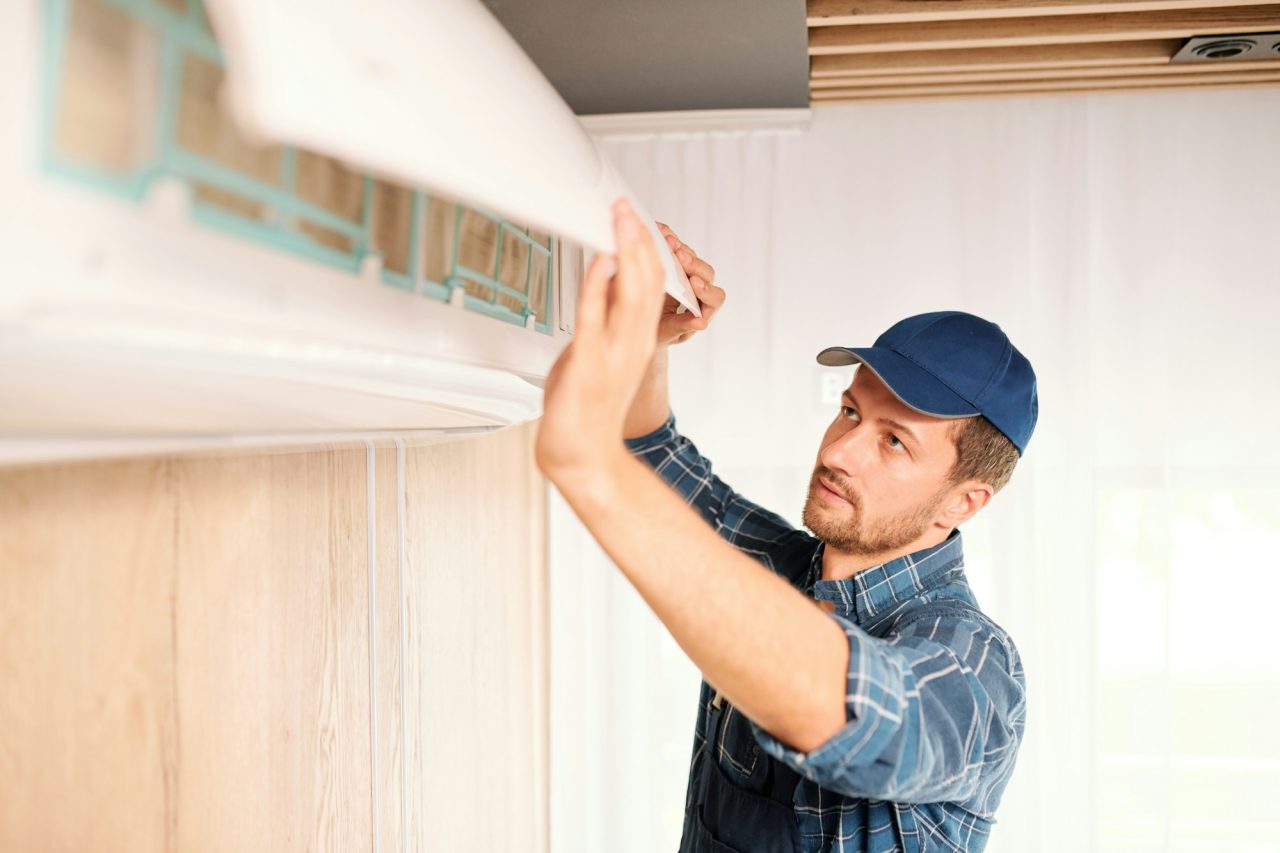
Orange County winters are famously mild, but anyone who has woken up to a 45-degree morning in Mission Viejo or Irvine knows the heater still matters. The challenge here is not extreme cold. It’s that most heating systems sit unused for eight or nine months, then get switched on all at once when the first cool snap arrives.
That long idle period gives dust, debris, and small mechanical problems time to build up. A little preparation now helps you avoid a no-heat call on the first cold night and keeps your system running safely all season. Here’s how to get your heating system ready for winter, plus when to call in a professional for heating service in Orange County.
Why Southern California Heating Systems Need Winter Prep
In colder climates, furnaces run constantly and problems show up quickly. In Southern California, a heater might run only a few hours a week from December through February. That creates its own set of issues:
- Dust buildup: Months of inactivity let dust settle on burners, flame sensors, and blower components.
- Santa Ana winds: Fall wind events push fine dust and debris into attics, garages, and return vents, where many Orange County furnaces are located.
- Shared equipment: Your blower and ductwork work hard all summer for your air conditioner, so filters and blower parts may already be worn when heating season starts.
- Hidden problems: Cracked components, failing ignitors, and loose wiring often go unnoticed until the system is asked to heat.
Step 1: Replace Your Air Filter
Start with the easiest and most important task. A clogged filter restricts airflow, which can cause your furnace to overheat, trip its safety switch, and shut down. Check your filter at the start of the season and replace it if it looks gray or dusty. Most standard filters should be changed every one to three months, and more often if you have pets or after heavy wind or wildfire smoke events.
Step 2: Test Your Thermostat
Before you actually need heat, switch your thermostat from cool to heat and raise the temperature a few degrees above the room temperature. Your system should start within a few minutes. While you’re at it:
- Replace the thermostat batteries if it uses them.
- Confirm the fan setting is on “auto,” not “on,” so the blower doesn’t push unheated air between cycles.
- Update your schedule for shorter days and cooler nights if you have a programmable or smart thermostat.
Step 3: Expect (Briefly) the Burning Dust Smell
The first time your furnace runs each year, you’ll probably notice a faint burning smell. That’s dust burning off the heat exchanger and burners, and it should fade within 15 to 30 minutes. If the smell lingers, smells electrical, or smells like gas, turn the system off. If you smell gas, leave the house and call SoCalGas or 911 from outside.
Step 4: Clear Vents, Returns, and the Area Around Your Furnace
Walk through your home and make sure supply registers and return grilles aren’t blocked by furniture, rugs, or curtains. Blocked vents make your system work harder and leave some rooms colder than others.
Then check the furnace itself. Many Southern California homes have furnaces in garages, attics, or closets that double as storage. Keep at least a few feet of clear space around the unit, and never store paint, cleaners, gasoline, or other flammable items near a gas furnace or water heater.
Step 5: Test Your Carbon Monoxide Detectors
Any home with a gas furnace, gas water heater, fireplace, or attached garage should have working carbon monoxide detectors, and California law requires them in homes with fuel-burning appliances. Press the test button on each detector, replace batteries as needed, and replace any unit that has reached the end of its service life (usually printed on the back).
Step 6: Check the Outdoor Unit If You Have a Heat Pump
Heat pumps are common in Orange County, especially in newer and all-electric homes. Because your heat pump heats and cools with the same outdoor unit, it runs nearly year-round. Clear leaves and debris from around the unit, keep plants trimmed back at least two feet, and listen for unusual noises when it switches into heating mode. If the unit blows cool air in heat mode or runs constantly, schedule heat pump repair.
Step 7: Schedule Professional Heating Maintenance
The steps above help, but they don’t replace a professional inspection. During a heating maintenance visit, a technician will typically:
- Clean and inspect burners, the ignitor, and the flame sensor
- Inspect the heat exchanger for cracks that could leak carbon monoxide
- Check gas pressure and burner operation
- Test safety controls, including limit and pressure switches
- Inspect venting and flue connections
- Check the blower motor, belts, and electrical connections
- Measure airflow and temperature rise to confirm the system is heating efficiently
Fall is the best time to schedule this visit, before the first real cold front. For heat pumps, our heat pump maintenance covers both heating and cooling performance. With Triton’s Smart Membership, seasonal tune-ups are scheduled for you, so you never have to remember.
Don’t Forget Your Ductwork
Many Orange County homes have ductwork running through hot attics, where connections loosen and insulation breaks down over time. Leaky ducts can waste a significant share of the heat your system produces before it reaches your rooms. If some rooms never warm up, ask about air duct sealing or air duct repair. If you notice dust blowing from your vents when the heat kicks on, air duct cleaning may help.
Signs You Need Heating Repair in Orange County
Even with good preparation, some problems need professional attention. Call for heating repair if you notice:
- Cold or lukewarm air coming from the vents
- A furnace that won’t turn on or keeps shutting off
- Banging, squealing, or grinding noises
- A yellow or flickering burner flame instead of a steady blue one
- Heating bills that are higher than usual for the season
- Frequent cycling on and off
- A carbon monoxide alarm (get everyone outside and call 911 first)
If your system is older than 15 years and needs frequent repairs, it may be time to consider an upgrade. Learn about furnace installation and heat pump installation options for your home.
Get Your Heater Winter-Ready with Triton Air & Plumbing
Since 2001, Triton Air & Plumbing has helped Orange County homeowners stay comfortable through every season. Our NATE-certified technicians provide heating service, maintenance, and repair throughout South Orange County, with same-day appointments and 24/7 live answering.
Call 949-220-2841 or contact us online to schedule your heating tune-up today. That’s the Triton Touch.